
Avoiding the Disconnect Between Design and Budget
One of the more common frustrations within a custom home journey is the point where a project begins to drift away from the thing that made it exciting in the first place.
A client may connect deeply with the design early on. The spaces feel aspirational, the materials feel considered, and the vision begins to take shape emotionally long before construction starts. But as the process moves forward, pricing, construction constraints, and feasibility conversations often begin surfacing later than they should. By that point, compromises, redesigns, and difficult decisions can slowly start reshaping the project.
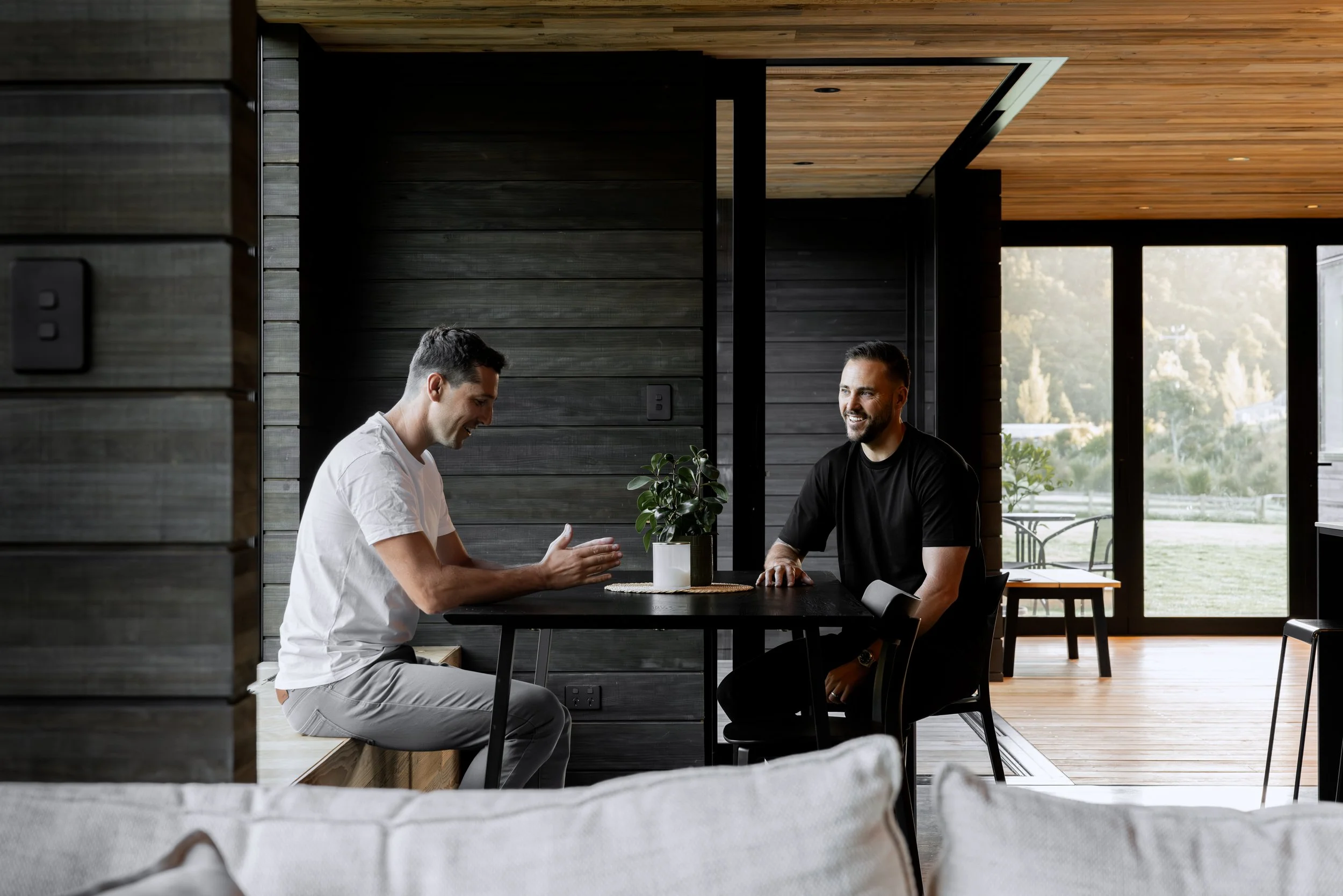
Why New Home Projects Can Drift Off Budget
In many traditional building processes, design, pricing, and construction are still treated as separate stages. The design is developed first, then cost is introduced later, followed by the realities of how the project will actually be executed on site.
The challenge with that approach is not necessarily the people involved, but the disconnect that can naturally form between each stage of the journey.
For homeowners, this can make it difficult to know whether the home being designed is still aligned with the intended budget, timeframe, site conditions, and construction realities. This is often where uncertainty enters the process.
Bringing Design, Budget, and Construction Together Early
Our process is built around bringing architecture, pricing, and construction into the same conversation from the beginning.
Rather than developing a design in isolation and solving feasibility later, architectural thinking evolves alongside realistic construction input and budget considerations from day one. Conversations around materials, detailing, buildability, timelines, and cost happen while the design is still taking shape, not after months of emotional investment have already been made.
This integrated design and build approach is especially important for new home projects in New Zealand, where site conditions, planning requirements, access, views, weather exposure, and construction complexity can all influence the final outcome.


A More Grounded and Collaborative Process
What this creates is a far more grounded and collaborative process for the client.
It allows decisions to be made earlier, expectations to stay aligned, and the overall direction of the home to remain consistent throughout the journey. Instead of spending time undoing work later in the process, more focus can go into refining the details that genuinely improve the home and strengthen the architectural outcome.
For anyone selecting a design and build firm for a new home project in New Zealand, this early alignment is one of the most important things to consider. A streamlined process is not only about efficiency. It is about reducing uncertainty, protecting the design intent, and helping the project move forward with greater confidence.
Protecting Architectural Quality Without Losing Cost Control
Importantly, this approach is not about limiting creativity or watering down architectural ambition.
In many ways, it allows stronger outcomes because the project is being shaped with a realistic understanding of how it will actually be built and delivered. Architectural intent is protected far more effectively when the builder is involved early and the architect remains involved throughout construction, rather than the project being handed from one stage to another.
This is one of the key benefits of choosing a design and build studio that combines architecture and construction expertise. The design is not separated from the realities of the build, and the build is not disconnected from the architectural vision.

Architectural Homes with Greater Certainty
For us, good architectural homes are not about creating unnecessary complexity or unrealistic concepts.
They are about creating homes where design, construction, and budget move together from the outset, resulting in spaces that feel resolved, intentional, and genuinely connected to the way people want to live.
For homeowners looking for architecturally designed homes with a more streamlined process, the greatest value often comes from having the right conversations early, with the right expertise around the table from the beginning.


FAQs
-
The best way to keep a new home project on budget and on time is to bring design, pricing, and construction expertise together from the beginning. When the architect, builder, and client are aligned early, decisions around materials, detailing, site conditions, buildability, and cost can be made before the project becomes too developed or difficult to change.
-
Look for a firm that can show how design, pricing, and construction are managed together. For New Zealand homes, it is also important to consider site experience, architectural quality, cost clarity, communication, and whether the team can guide the project from concept through to completion without a disconnect between design intent and build delivery.
-
A studio that combines architecture and construction expertise can help reduce uncertainty, improve communication, and protect the design vision throughout the build. Because construction input is included early, the design can be shaped around realistic budget, timeline, material, and buildability considerations.
-
Look for a design and build firm that clearly explains its process, involves both architectural and construction expertise from the outset, and provides clarity around pricing, timelines, site suitability, and design adaptation. A streamlined process should help you make informed decisions earlier and avoid unnecessary redesign later.
-
Yes. Curated Living offer architecturally designed home collections that can be tailored to different environments, such as rural, coastal, urban, or suburban sites. This approach can provide a more efficient starting point while still allowing the home to respond to the land, lifestyle, and personal requirements.