
Designing With Buildability in Mind
Great architecture is not just about how a home looks in beautiful renders on your desktop. The real test of a project happens during construction, when ideas move beyond drawings and need to be executed accurately on site.

Why Buildability Matters in Architectural Home Design
Some of the strongest architectural homes come from a close relationship between design thinking and construction understanding.
When builders are involved early in the process, ideas can be explored with a much clearer understanding of how they will actually come together in reality. Materials, detailing, sequencing, budget allocation, and construction methodology all become part of the conversation while the design is still evolving, rather than becoming reactive decisions later in the build.
For anyone considering a new home project in New Zealand, this early alignment can make a significant difference. It helps the design remain connected to the realities of the site, the intended budget, the construction programme, and the level of detail required to achieve the architectural outcome.
The Details That Protect the Design Intent
For architectural homes especially, the smaller details often have the biggest impact.
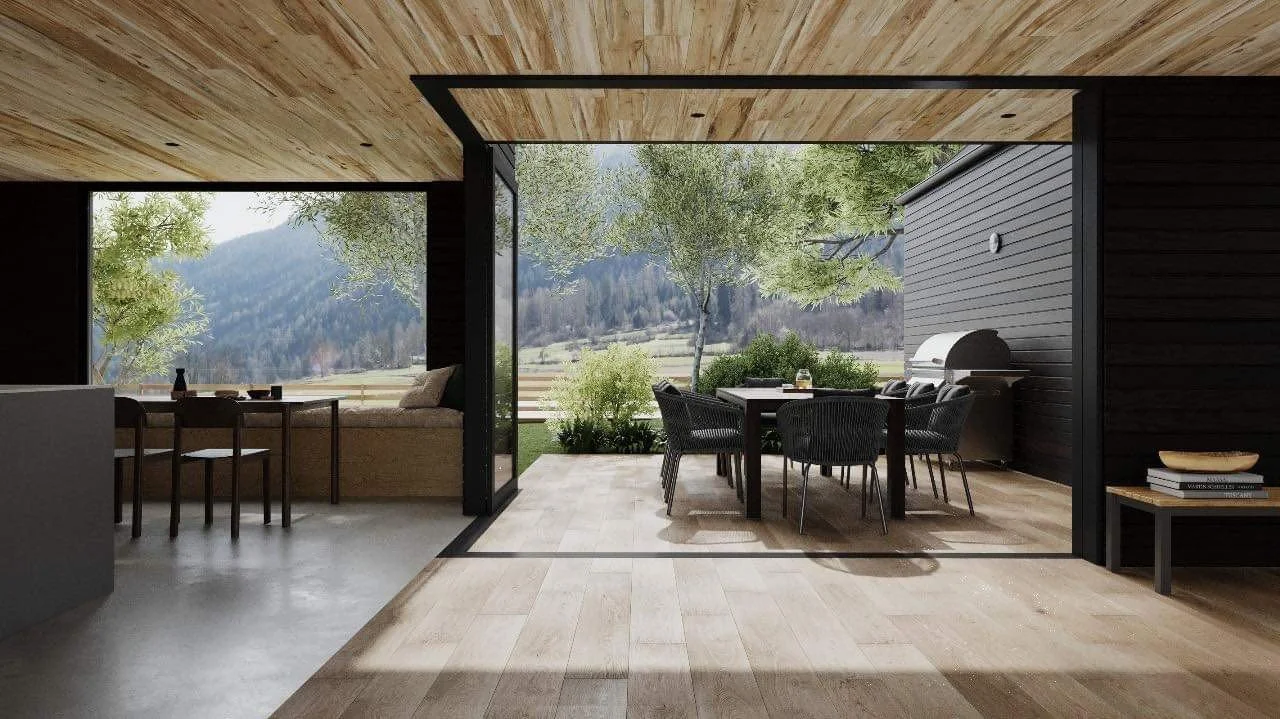
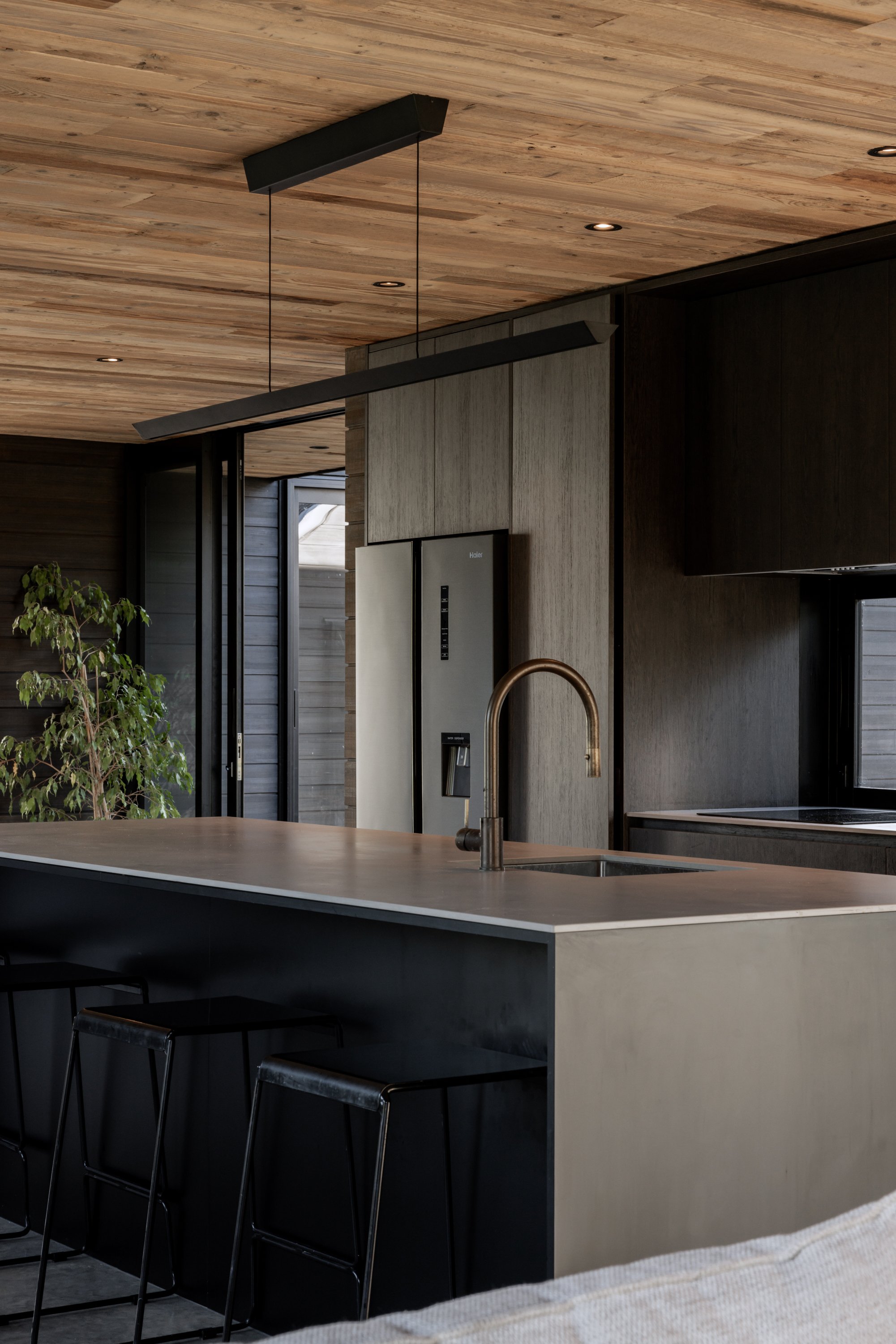
Junctions, alignments, timber detailing, lighting integration, material transitions, and proportions all require careful consideration long before construction begins. These are the elements that elevate a home, but they are also often the first things to be compromised when design and construction are disconnected from one another.
When architecture and construction expertise sit within the same process, these details can be discussed early, tested properly, and resolved before they become costly or difficult decisions on site.
The Benefit of Early Builder Involvement
By integrating builder involvement from the beginning, many of these conversations happen early and collaboratively, collaboratively being the key word.
This creates a smoother process on site, stronger communication between teams, and a much clearer understanding of how the home will actually be delivered. It also allows for smarter budget allocation throughout the project.
Rather than overspending in areas that add little long-term value, more attention can be placed on the details and spaces that genuinely improve the quality and experience of the home.
This is one of the key benefits of choosing a design and build studio that combines architecture and construction expertise. The home is not simply designed first and priced later. Instead, the design is shaped with an understanding of how it will be built, what it will require, and where investment will have the greatest impact.
A More Streamlined Design and Build Process
For homeowners selecting a design and build firm in New Zealand, buildability should be part of the conversation from the outset.
A streamlined process is not just about moving faster. It is about bringing the right expertise into the project early enough to make better decisions. When the builder understands the architectural intent, and the architect understands the construction realities, the project has a much stronger foundation.
This helps reduce unnecessary redesign, avoid late-stage compromises, and create a clearer path from concept through to construction.
Architectural Homes Built With Greater Certainty
Designing with buildability in mind is ultimately about creating homes where the architectural intent remains intact throughout construction, and where the finished home reflects the same level of thought and care that shaped the design from the very beginning.
It is an approach that supports architectural quality, budget clarity, and build control. For clients, it creates a more grounded journey and a home that feels resolved not only in the drawings, but in the way it is actually lived in.

FAQs
-
Buildability refers to how realistically and effectively a design can be constructed on site. In architectural home design, it considers materials, detailing, sequencing, construction methods, budget, site conditions, and how the design will be delivered without compromising the original intent.
-
Early builder involvement helps ensure that design decisions are informed by real construction knowledge from the beginning. This can improve budget clarity, reduce redesign, protect architectural details, and help the project stay more aligned through design, pricing, and construction.
-
Look for a firm that brings architectural design and construction expertise together early. A strong design and build firm should be able to explain how it manages buildability, budget allocation, site conditions, detailing, communication, and delivery from concept through to completion.
-
The main benefits are clearer communication, stronger budget alignment, earlier decision-making, and better protection of the design intent. When architecture and construction are part of the same process, the home can be designed with a realistic understanding of how it will actually be built.
-
Budget and timing are best protected when feasibility, pricing, buildability, and construction planning are considered from the start. Involving both architectural and construction expertise early helps reduce late-stage changes, avoid unnecessary redesign, and keep the project moving in a more controlled way.